
Springville Foundation Pros
Concrete Lifting in Springville, UT
Concrete lifting in Springville, UT: polyurethane foam injection to raise sunken slabs without full replacement. Free estimates.
- 15+ Years local experience
- 500+ Projects completed
- Licensed & Insured
Serving Springville and nearby communities.
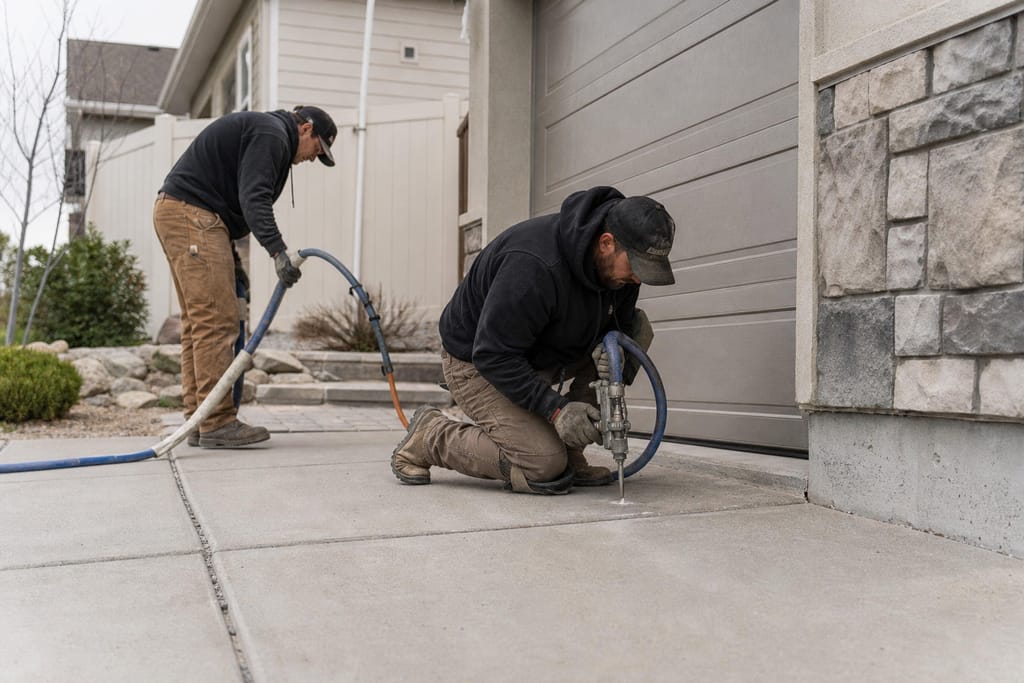
Concrete lifting, also called polyjacking, raises a sunken slab by injecting hydrophobic polyurethane foam underneath it through small drilled holes. It's the general method behind leveling driveways, patios, and sidewalks without tearing out and repouring concrete.
Seasonal soil shifting from freeze-thaw cycling along the Wasatch Front is a common reason slabs settle unevenly over a few years, even on properties with otherwise solid foundations. Springville Foundation Pros inspects which sections have actually sunk, and by how much, before drilling. Not every uneven slab needs the same lift pattern.
What's included
What's included
Typically included Optional Customer prep
- Slab assessment and elevation measurement across the affected area
- Dime-sized access hole drilling at calculated points
- Polyurethane foam injection to raise the slab
- Hole patching and surface finish to match surrounding concrete
- Joint resealing on adjacent slab sections
- Surface sealant application after lifting
- Clear vehicles, planters, or furniture off the slab area
- Note which sections have sunk and any trip hazards
Want a clearer scope?
Get a Free EstimateHow it works
How our Concrete Lifting process works
 Step 1
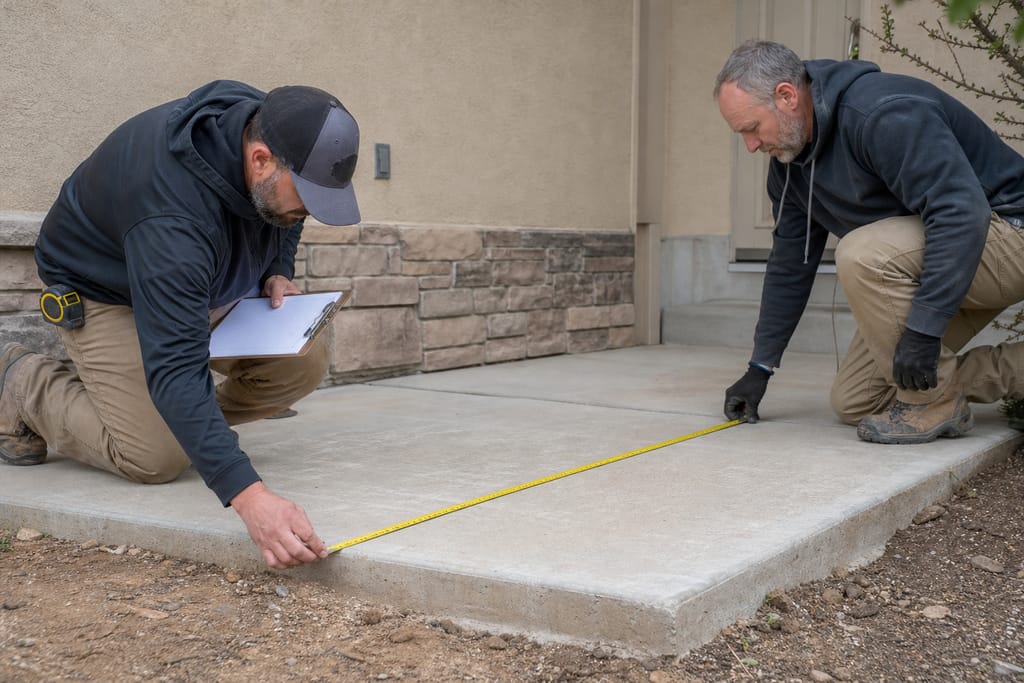
Surface Assessment
Sunken or sloped sections get identified and measured for elevation difference.
 Step 2
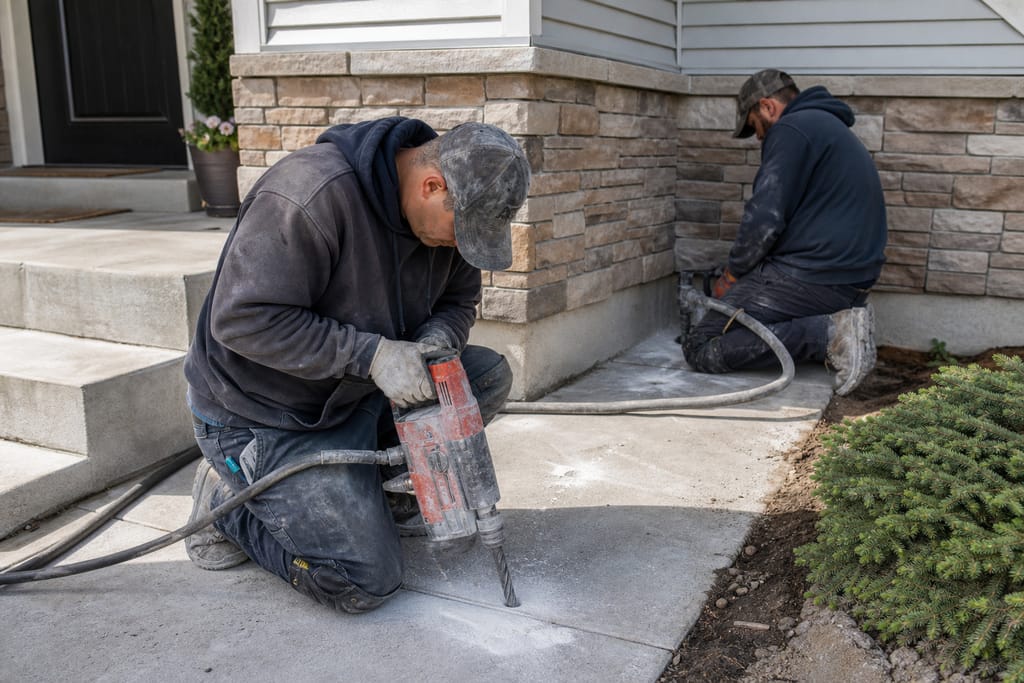
Drilling Access Holes
Small holes go in at calculated points to reach the void beneath the slab.
 Step 3
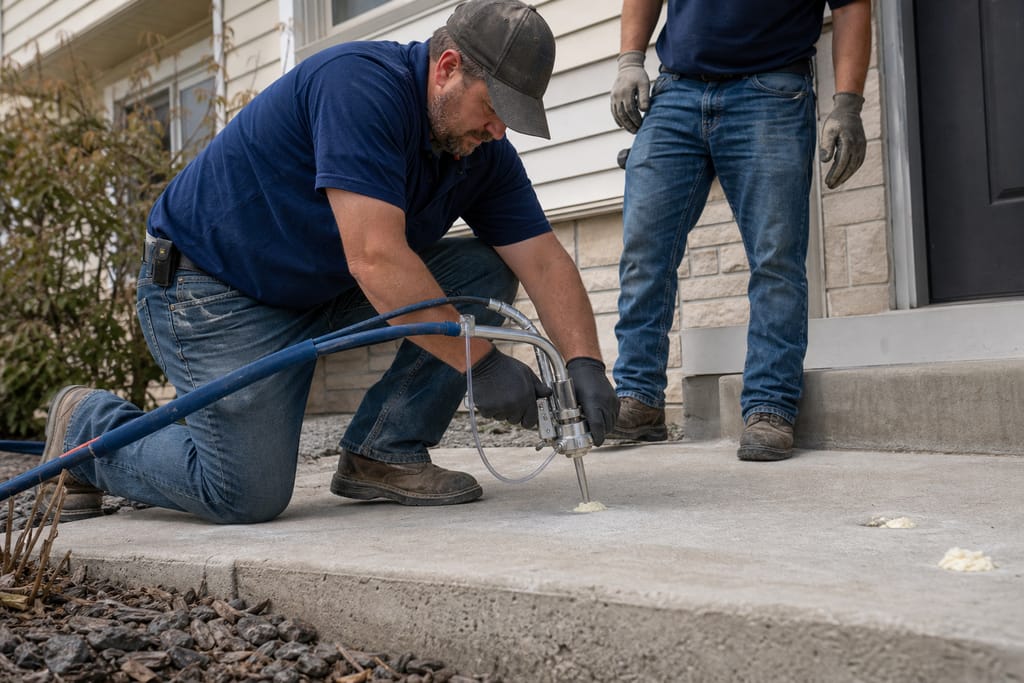
Material Injection
Expanding foam is pumped under the slab to lift it back toward level.
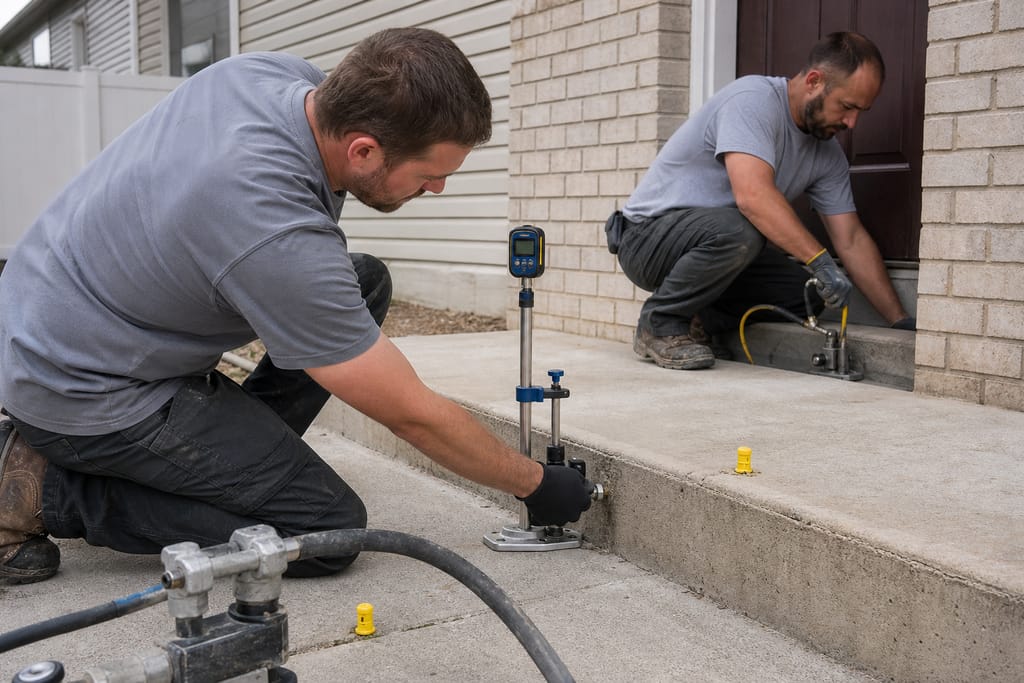 Step 4
Elevation Monitoring
Lift height is tracked carefully so the slab stops at the right point.
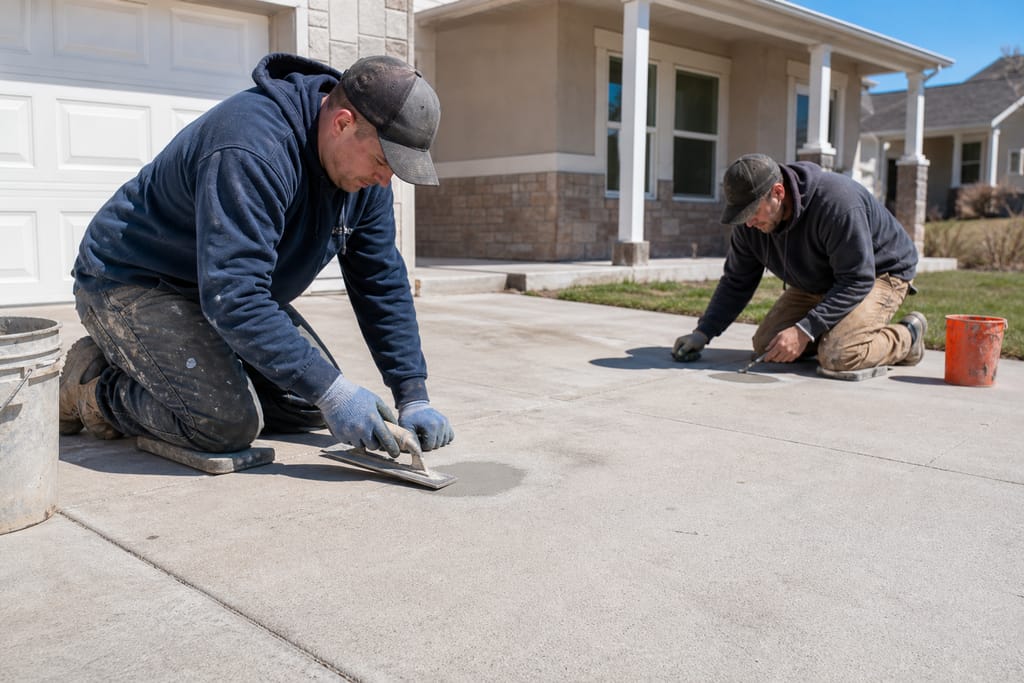 Step 5
Hole Patching
Drilled holes are filled and finished to match the surrounding surface.
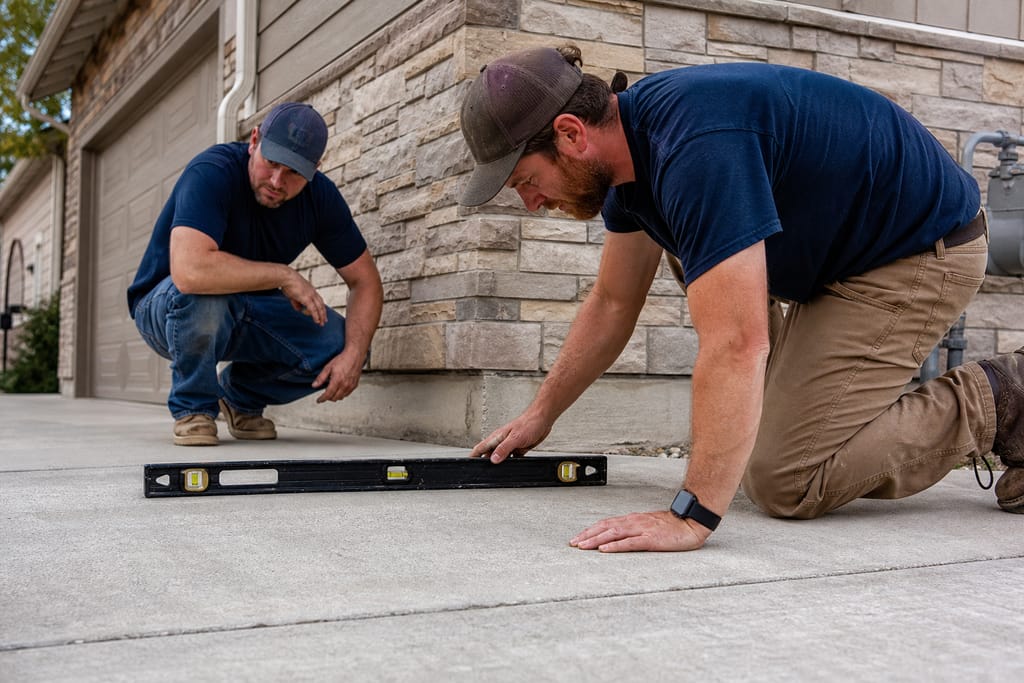 Step 6
Final Inspection
The lifted section is reviewed for levelness and stability underfoot.
Materials
Materials and methods for Concrete Lifting
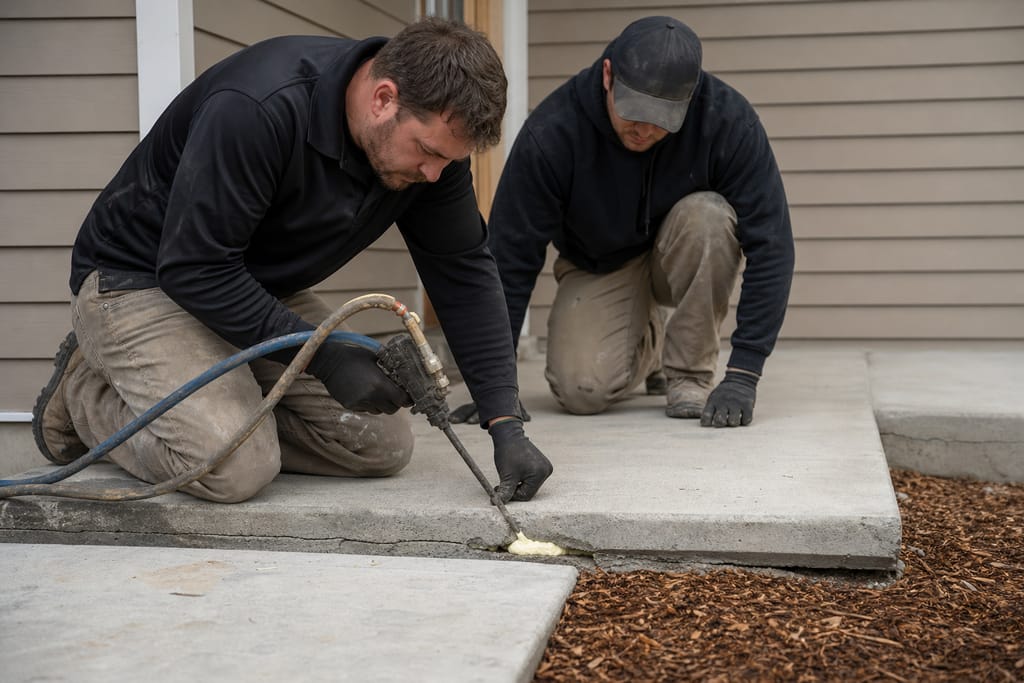
Polyurethane Foam
Expands beneath the slab to lift it, and resists moisture re-absorption through Utah's freeze-thaw cycles better than older fill methods.
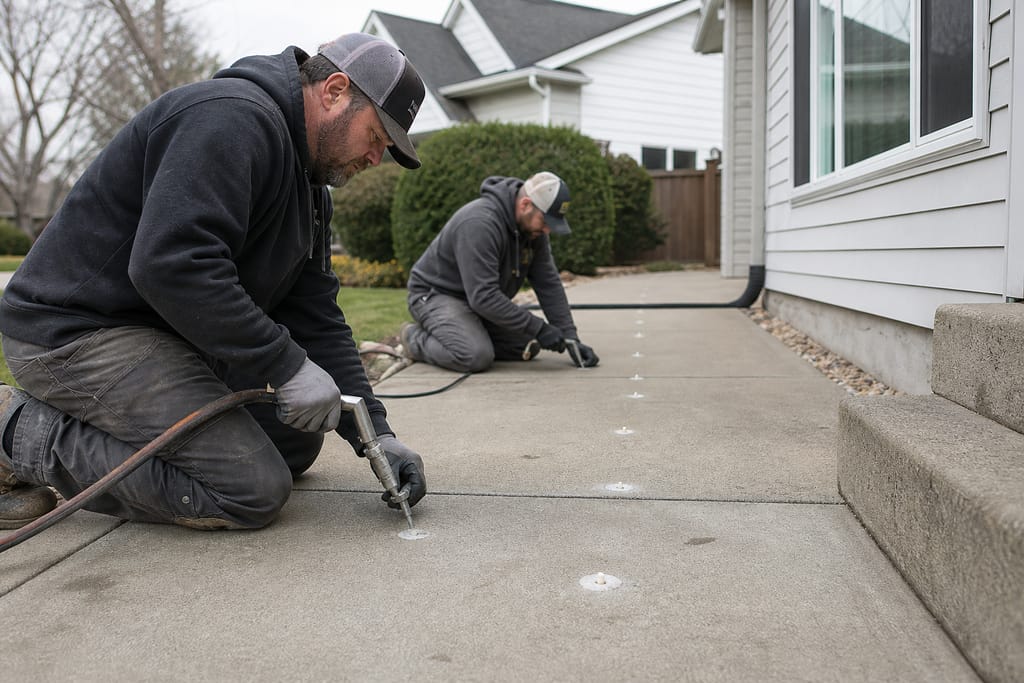
Injection Ports
Placed at calculated points to control exactly where foam goes under the slab.
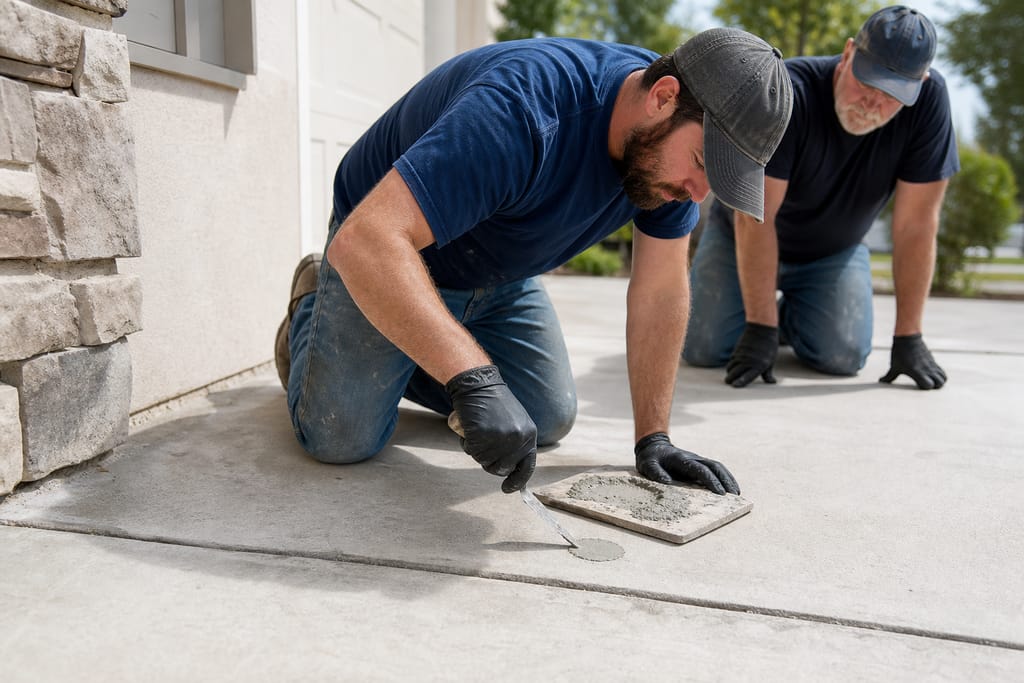
Patch Compound
Fills drilled access holes for a finish that blends with the surrounding concrete.
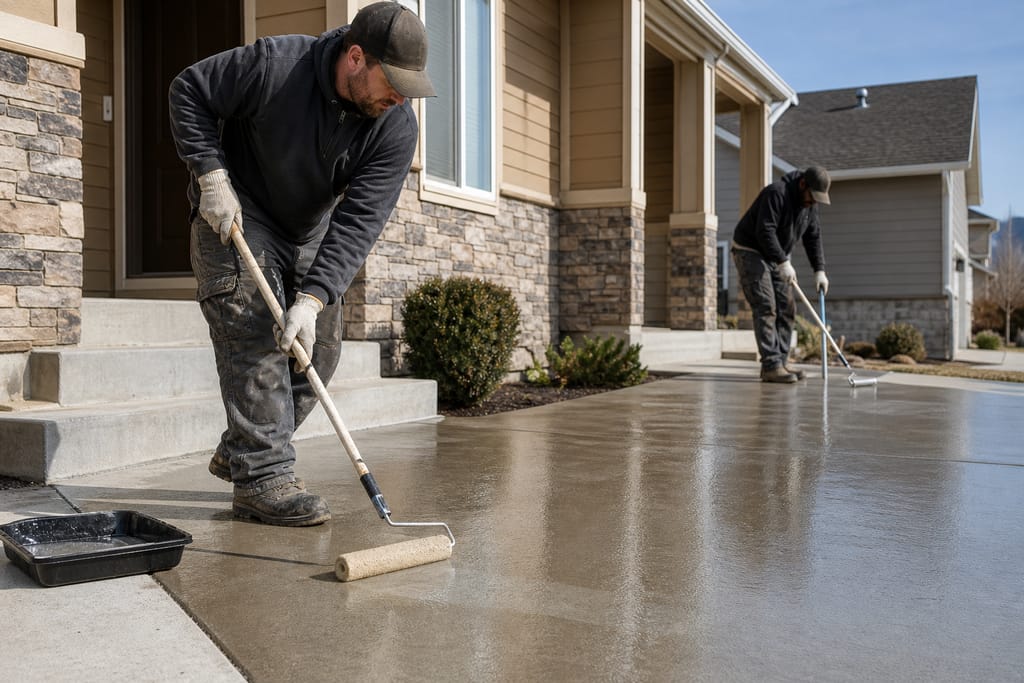
Surface Sealant
Protects the patched area from staining and moisture after the lift.
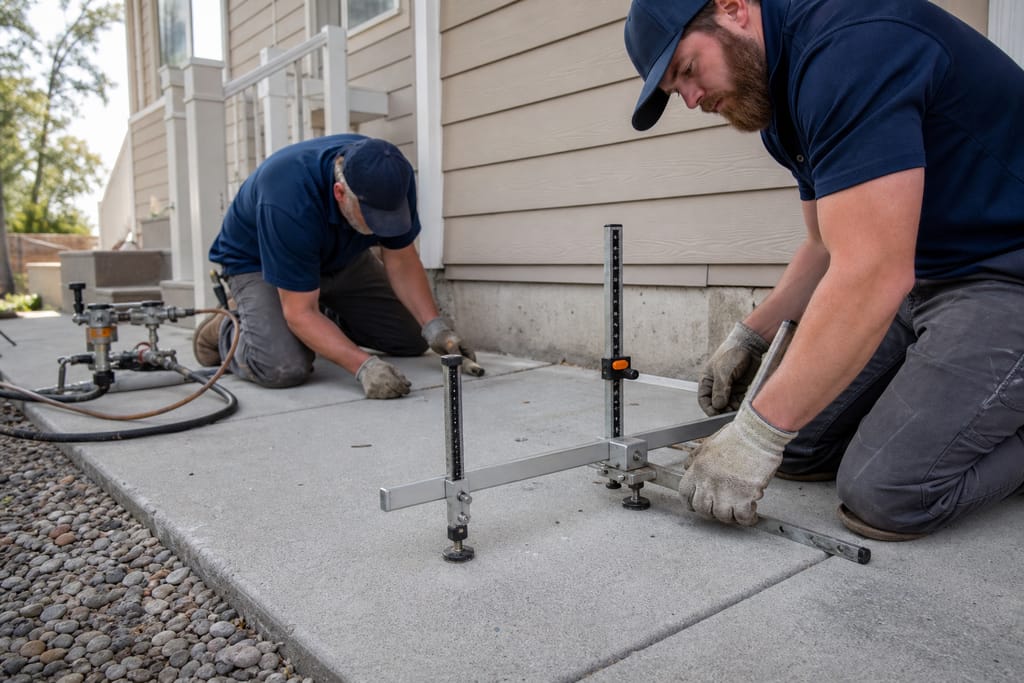
Leveling Gauge
Measures slab elevation in real time so the lift stops at the correct height.
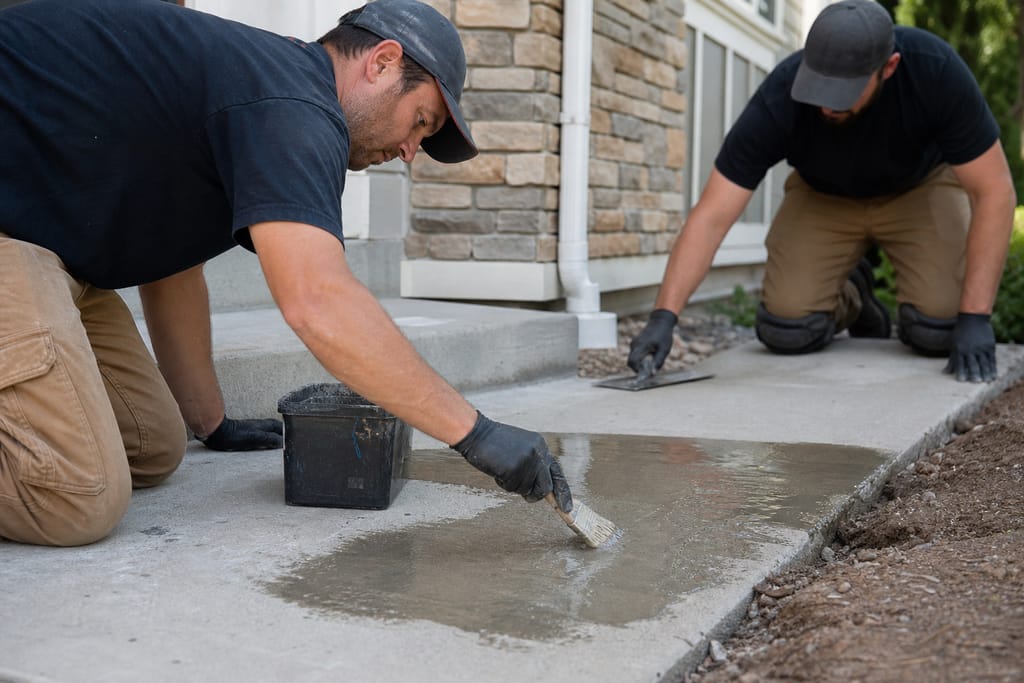
Bonding Agent
Improves patch adhesion so repaired holes hold up over seasonal temperature swings.
Questions on materials?
Get a Free EstimateTimeline
How long does a Concrete Lifting take?
Most residential concrete lifting jobs finish in a single visit.
- 01
Consult and assessment
same day - 02
Estimate
same day - 03
Drilling and foam injection
same day - 04
Patch and finish
same day
Need a schedule that fits?
Get a Free EstimateBefore & after
Before and after Concrete Lifting
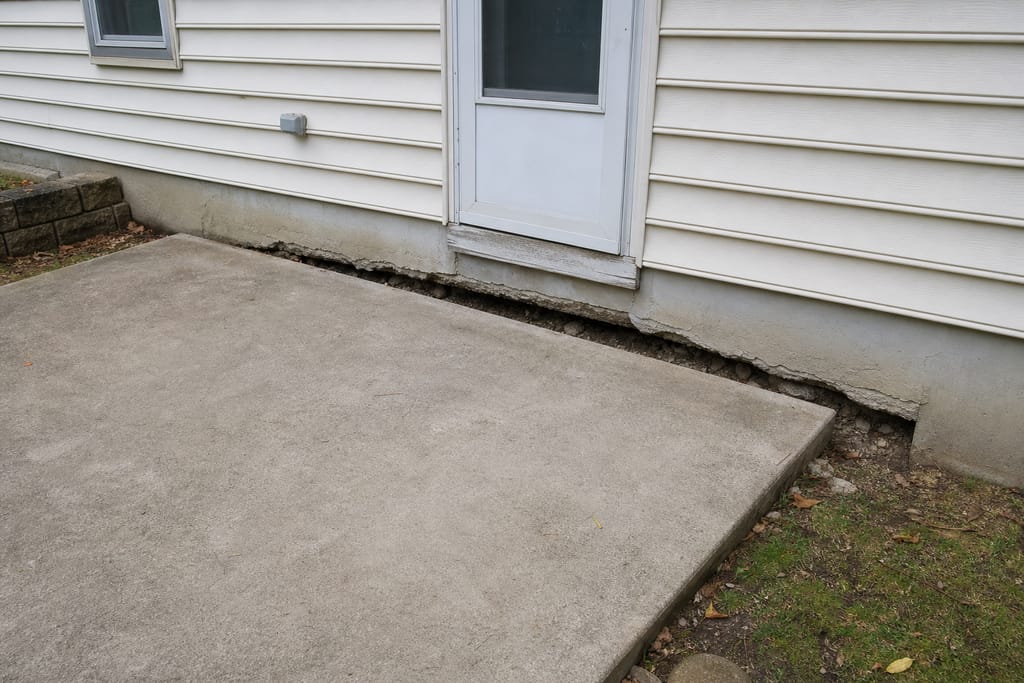
Before 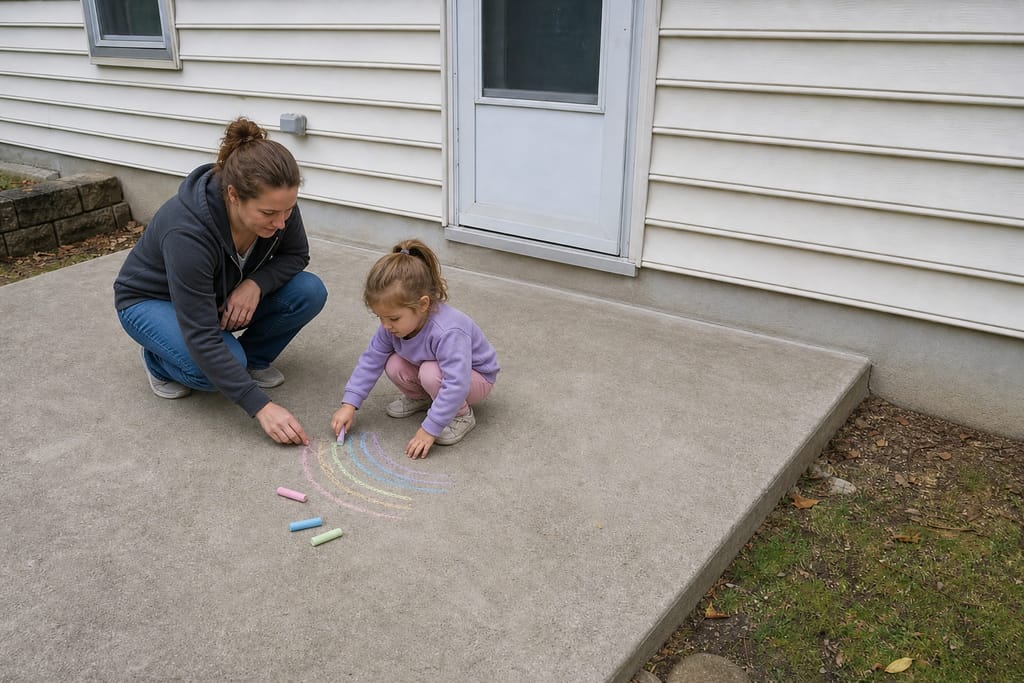
After
FAQs
Concrete Lifting FAQs
Is polyurethane foam lifting actually permanent or does it need to be redone?
Hydrophobic polyurethane foam doesn't break down or compress like loose fill soil does. A properly lifted slab generally stays level unless the underlying soil condition that caused the original settlement continues untreated.
How much does concrete lifting cost compared to slab replacement?
Polyjacking typically costs a fraction of full slab replacement since it avoids demolition and repouring. Exact pricing depends on slab size and how much lift is needed, confirmed with an on-site estimate.
How long does it take for a sinking driveway slab to get fixed?
Most driveway sections lift and cure enough for vehicle use the same day the work is done.
Do I need a permit to lift a sidewalk, driveway, or patio?
Lifting an existing slab in place usually doesn't require a permit since no new structure or grading change is involved. Full slab replacement tied to grading changes may need one.
Can I use a DIY foam kit to lift a slab myself?
Homeowner kits lack the pressure control to lift a slab evenly, and uneven injection pressure can crack the slab further. Professional equipment distributes foam under controlled pressure to avoid that.
What's the difference between polyjacking and mudjacking?
Mudjacking uses a heavier cement-based slurry that adds significant weight back onto the same soil that caused the settlement. Polyurethane foam is lightweight and expands to fill voids without adding that extra load.
Next step
Get a Concrete Lifting estimate in Springville
Call +1 (385) 327-7069 or request a free estimate. We'll check which slabs actually need lifting before drilling a single hole.
More services
Other Foundation Repair services
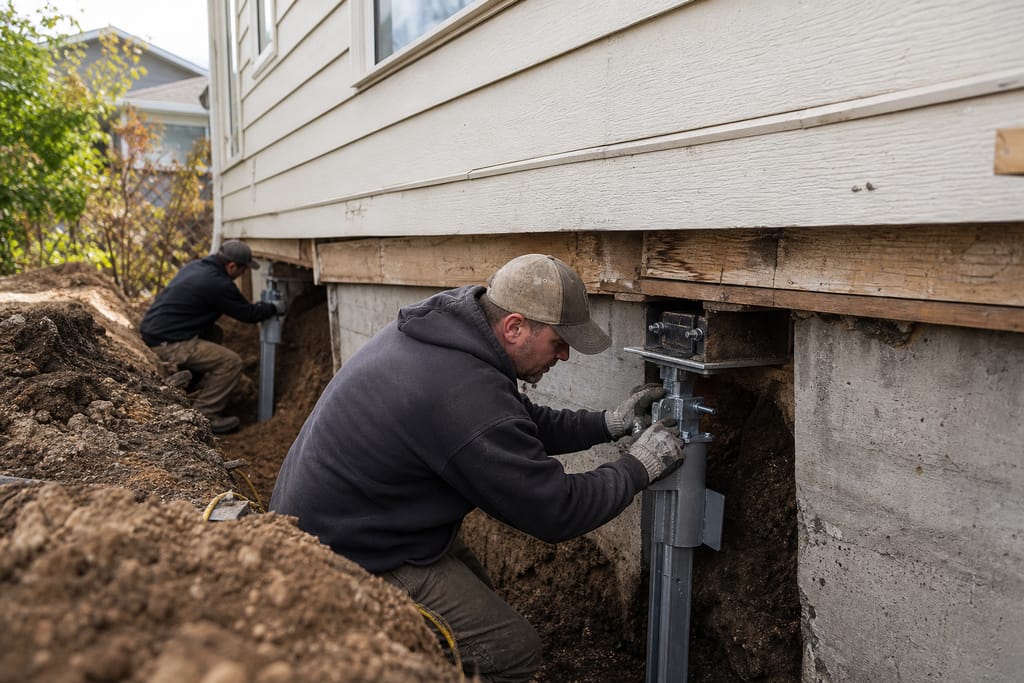
Foundation Repair
Foundation repair in Springville with piering, crack injection, and wall stabilization. Free estimates, written scope before work starts.
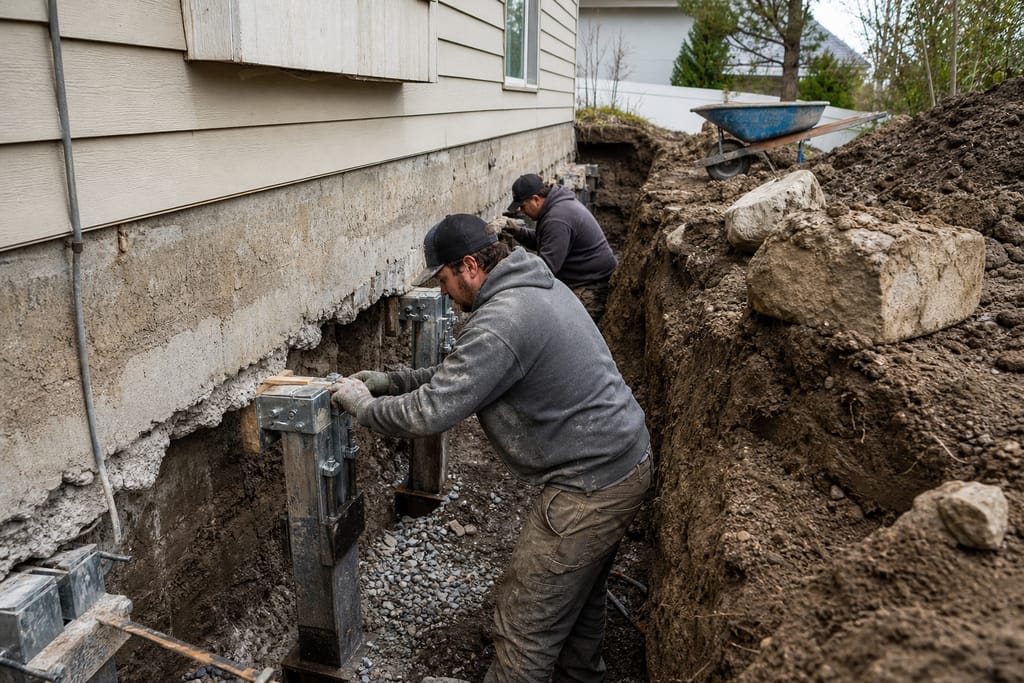
Piering and Underpinning
Piering and underpinning in Springville, UT: steel push piers, helical piers, and underpinning brackets to stop foundation settlement. Free estimates.
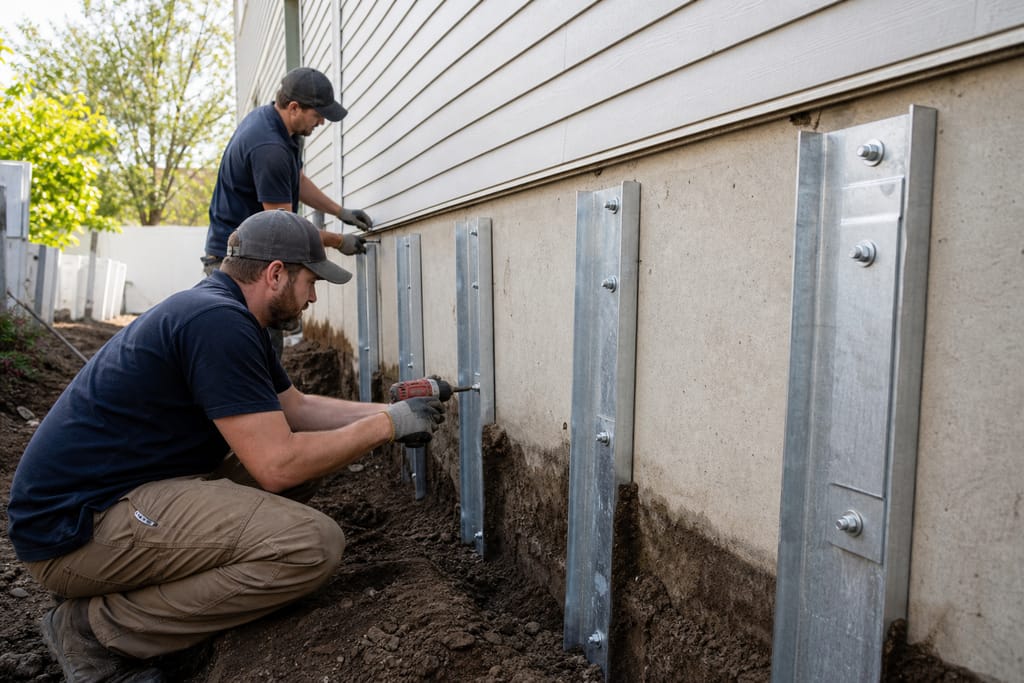
Wall Stabilization
Wall stabilization in Springville, UT: steel anchors, carbon fiber straps, and I-beam bracing to stop bowing basement walls. Free estimates.
Ask about Concrete Lifting
Tell us about the project and how to reach you.